Menglin Lin
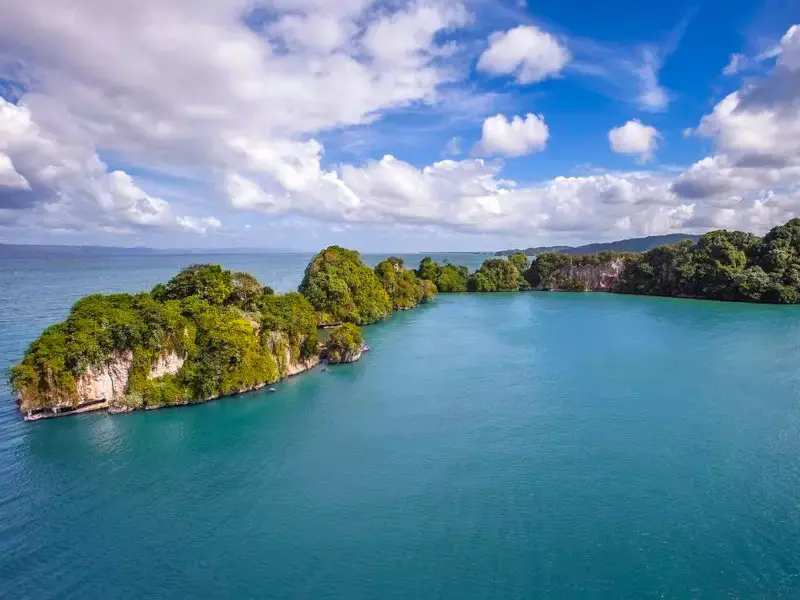
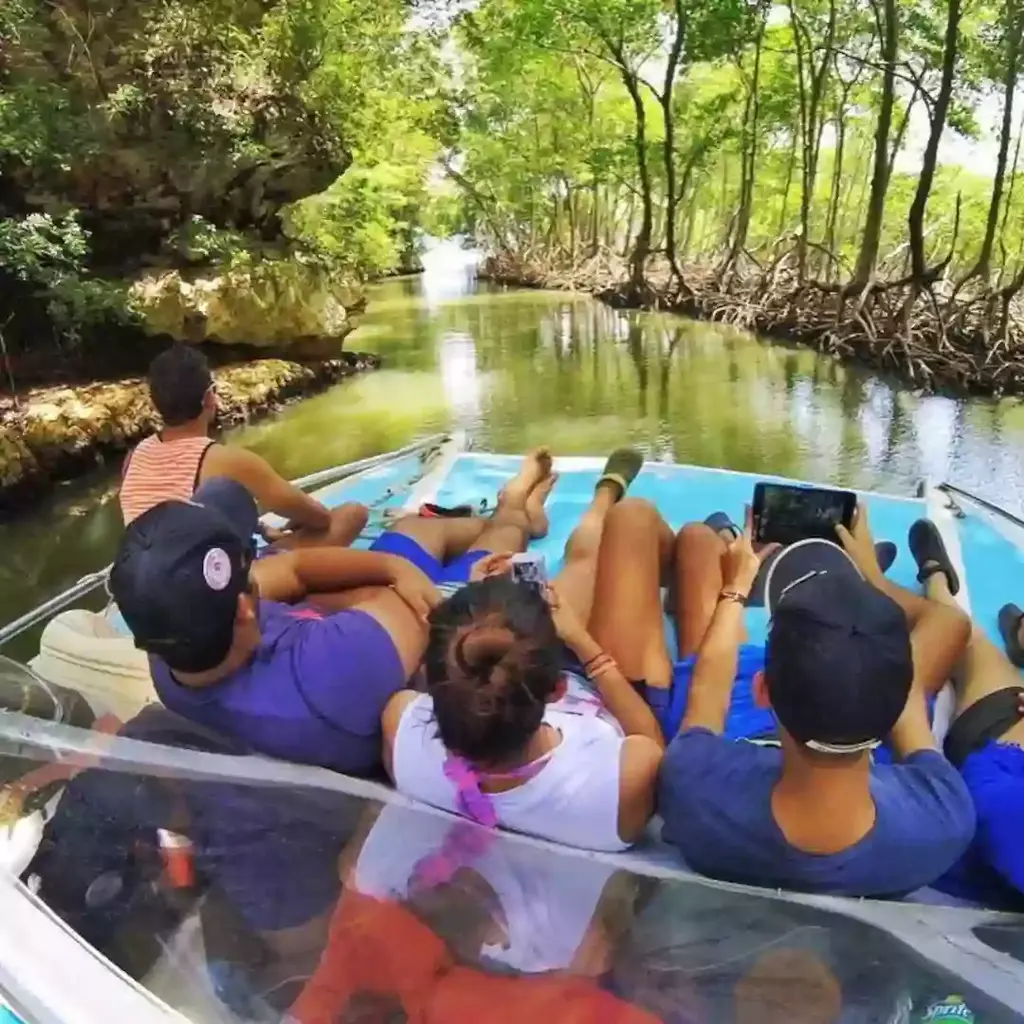
Aug 2026“I booked a tour with Punta Cana Tours to Los Haitises national park and I'm willing to share my experience. Be very careful with the souvenir/jewelry stops included in this tour. Overall, despite the long hours of journey, we enjoyed our excursion, but unfortunately we had a very concerning experience at the first souvenir shop where the tour stopped almost one hour for breakfast, coffee and shopping. None of the jewelry had visible price tags. I was initially quoted prices in USD, but at checkout the salesperson rapidly switched to Dominican pesos and used a calculator while both the salesperson and our guide were urging me to finish because the group was leaving. I ended up paying DOP 20,000 for two pairs of earrings and one bracelet, with no receipt or itemized invoice provided. More importantly, the jewelry had been represented to me as high-quality genuine Larimar made with pure silver. After the purchase, I showed the pieces to employees at three independent jewelry shops. They consistently advised that the metal did not appear to be silver, and I was also advised that the blue material did not appear to be genuine Larimar. I contacted Punta Cana Tours after returning home and asked them to help contact the merchant and arrange a refund. The owner replied that the souvenir shops are third-party vendors chosen by their providers and said he would contact the provider to see what remedy could be found. As of ten days after my trip, I have received no further response or resolution. I am sharing this so that other travellers can make an informed decision. My advice to other travellers is simple: enjoy the excursion, but be extremely cautious about buying jewelry at the souvenir stops included in the tour, especially when there were no visible price tags, no written description of the materials, no itemized invoice or receipt, and the sales process became extremely rushed while prices switched between USD and Dominican pesos. I would personally avoid making jewelry purchases at these stops.”
Saint-Laurent, QC · Sunscape Coco Punta Cana